Dale McManus – Drone Photography | Shoot Professional Photos With Any Drone (Download)
Drones have democratized aerial photography, but owning a drone doesn’t automatically make you a skilled aerial photographer. Many drone owners struggle to capture compelling images that stand out on social media or attract professional clients. The difference between amateur snapshots and breathtaking aerial photography lies in understanding exposure, composition principles, optimal camera settings, and professional editing techniques.
Whether you’re documenting travels, building a social media presence, or pursuing drone photography as a career, mastering these fundamentals transforms ordinary aerial shots into stunning visual stories.
About the Course and Instructor
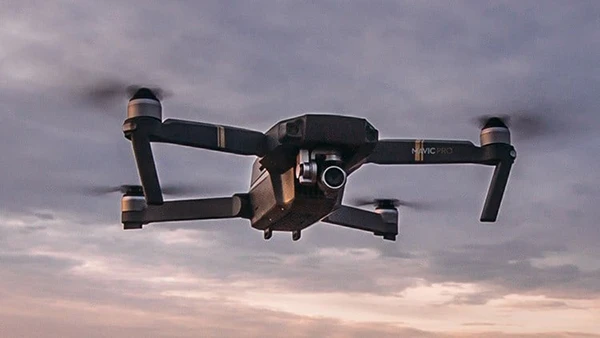
Dale McManus is a professional cinematographer, photographer, award-winning YouTuber, and licensed drone pilot with a Bachelor’s Degree in Film and eight years of experience in cinematography and photography. Having flown drones professionally for over four years, Dale teaches practical techniques applicable to any drone model, though the course demonstrations use the DJI Mavic Pro.
His teaching approach emphasizes clarity and engagement, cutting straight to essential concepts without unnecessary complexity.
What You’ll Master
Camera Settings and Exposure Control
Understanding exposure is fundamental to quality drone photography. Learn how shutter speed and ISO affect your images, when to use HDR versus AEB (Auto Exposure Bracketing) shots, and why shooting in RAW format and D-Log matters for professional results. Master white balance settings, aspect ratio selection, and essential features like grid overlays and center points that improve composition accuracy.
Shot Composition Principles
Composition separates professional work from amateur attempts. The course covers time of day considerations and how lighting affects aerial images, perspective techniques unique to drone photography, the rule of thirds for balanced compositions, leading lines that guide viewer attention, patterns and repetition for visual interest, dividing lines and symmetry, and strategic use of negative space.
Specialized Photography Techniques
Expand your capabilities with night drone photography methods that capture stunning low-light aerials, architecture and real estate photography approaches tailored for property marketing, and planning shots using Google Earth before takeoff to maximize shooting efficiency.
You may also be interested in these courses:
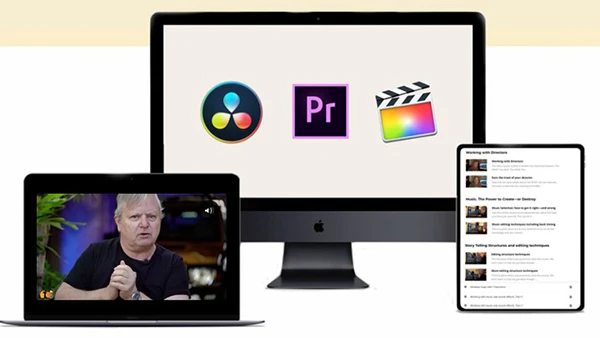
- Matthew Falconer – Color Grading with Da Vinci Resolve: Beginner to Advanced (Download)
- Phil Ebiner – Adobe Premiere Pro Masterclass: Video Editing in Premiere (Download)
Professional Editing Workflow
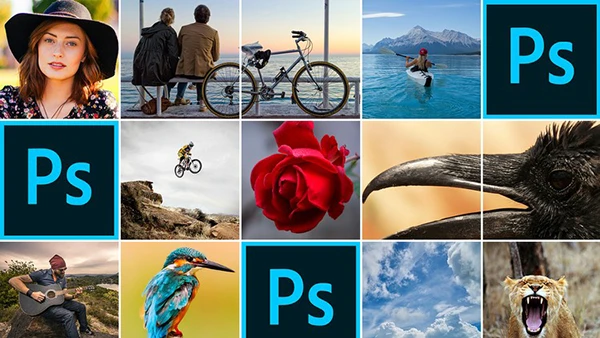
Transform raw drone footage into polished final images using Adobe Lightroom. The editing section covers photo transfer and organization, Lightroom interface navigation, comprehensive editing techniques for color correction and enhancement, merging AEB photos for optimal dynamic range, and bonus Photoshop sky replacement techniques for dramatic results.
Pro Pilot Tips
Beyond photography skills, learn five essential techniques for flying like a professional, shot planning strategies, and workflow optimization that separates hobbyists from working professionals.
Course Structure
The curriculum progresses logically from camera fundamentals through composition theory to hands-on shooting tutorials and post-production editing. Live demonstrations show real-world application of each concept, allowing you to follow along and practice immediately with your own drone.
Who Should Enroll
This course suits beginners wanting to elevate their drone photography skills, content creators seeking to enhance travel documentation and social media presence, aspiring professionals considering drone photography careers, and real estate photographers adding aerial capabilities to their services.
No prior photography experience is required—just a drone and willingness to learn professional techniques that produce immediately noticeable improvements in your aerial images.