Neil Fontaine – Anatomy for Figure Drawing: Mastering the Human Figure (Download)
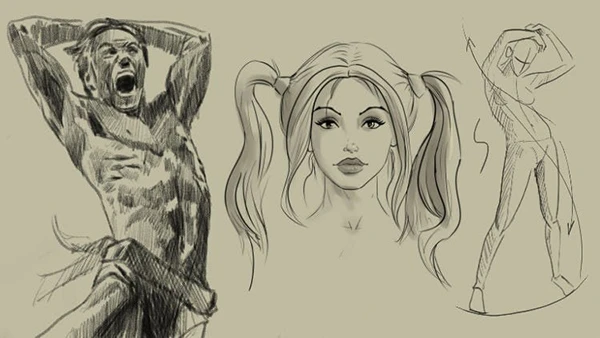
Every aspiring comic artist, concept designer, or illustrator faces the same obstacle: drawing convincing human figures from imagination. While copying reference photos is straightforward, creating dynamic poses without constant visual aids separates hobbyists from professionals. The solution isn’t talent—it’s understanding anatomical structure. When you know how muscles attach, how bones create form, and how the body moves in space, you gain the freedom to draw any pose confidently and land professional opportunities in comics, games, film, and illustration.
About This Anatomy Course
Anatomy for Figure Drawing: Mastering the Human Figure is taught by Neil Fontaine, who breaks down complex anatomical concepts into digestible, artist-friendly lessons. Rather than overwhelming students with medical terminology, this course focuses exclusively on what artists need to draw figures accurately and efficiently. With over 65 hours of instruction, the program covers everything from skeletal foundations to advanced muscle dynamics.
Course Curriculum
Proportions and Skeletal Foundation
Begin with essential proportions—both 7.5 and 8 heads tall standards used across different art styles. You’ll learn to simplify the skeleton into drawable forms from multiple angles: front, back, side, and three-quarter views. This foundation ensures your figures maintain proper structure regardless of pose complexity.
Muscles and Attachment Points
The core of the course focuses on muscle groups and their attachment points—critical knowledge for drawing from imagination. Detailed modules cover arm muscles, pectorals, deltoids, triceps, obliques, abdominals, back muscles, and complete leg anatomy across three progressive lessons. Extended sessions on forearms (nearly 3 hours total) and calves ensure you master these challenging areas.
Mannequin Construction
Learn to build simplified male and female mannequins from all angles—a practical shortcut for quick sketches and professional work under tight deadlines. These templates provide reliable starting points before adding anatomical detail.
Hands and Feet Mastery
Two comprehensive sections tackle the most challenging extremities. Seven hand lessons (over 6 hours) cover bone structure, gesture, foreshortening, and varied positions. Five feet lessons (over 4 hours) explore side, back, and bottom views, ensuring you can draw feet convincingly in any orientation.
Head, Skull, and Facial Anatomy
Five intensive lessons dissect skull structure and facial features, teaching you to construct heads from any angle with proper proportions and placement of features.
You may also be interested in these courses:
- Daniel Walter Scott – Figma UI UX Design Essentials (Download)
- Daniel Walter Scott – User Experience Design Essentials – Adobe XD UI UX Design (Download)
Skin, Fat, and Body Types
Move beyond muscles to understand how skin drapes over anatomy, where fat deposits naturally occur, and how to draw diverse body types—from athletic to heavy-set figures. Separate modules address male and female characteristics, including a specialized lesson on breast mechanics.
Muscle Dynamics in Motion
Five advanced lessons explore how muscles change when flexed, stretched, or in motion. Study specific areas like elbows, knees, and torso movement to understand the mechanical reality behind dynamic poses.
Practical Application
The final section synthesizes everything into five pose-drawing sessions where you’ll apply anatomical knowledge to create compelling, professional-quality figures in varied positions.
Who Should Enroll
This course suits beginners establishing foundational knowledge and advanced artists refining their anatomical understanding. If you’re pursuing professional work in comics, concept art, storyboarding, character design, or illustration, this comprehensive training provides the technical skills studios expect.