
Alan Simon – Data Warehouse Fundamentals for Beginners (Download)
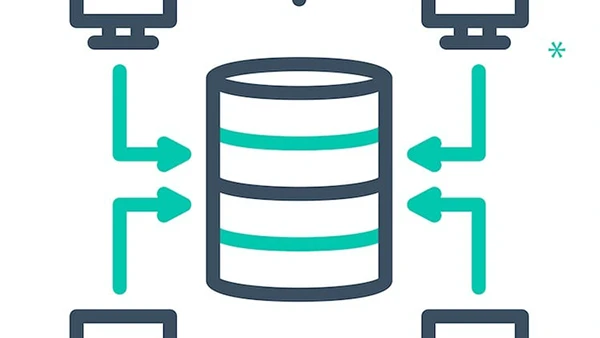
Organizations drown in data but starve for insights. Transactional systems excel at daily operations but fail at strategic analysis. Without a properly designed data warehouse, decision-makers wait days for reports, analysts struggle with inconsistent data, and critical business questions go unanswered. Building a data warehouse requires understanding architecture, dimensional modeling, and ETL processes—skills most IT professionals lack despite growing demand.
About the Course and Instructor
Data Warehouse Fundamentals for Beginners is taught by Alan Simon, a thought leader in data warehousing since the early 1990s with over 30 years of hands-on experience across 40+ client projects. Alan authored Data Warehousing For Dummies®, contributed extensively to industry publications, and led global consulting practices serving Fortune 500 companies, smaller organizations, and government agencies. As founder of Thinking Helmet, Inc., he specializes in data warehousing and business intelligence. This course distills his real-world expertise, including hard-won lessons learned, into practical techniques you can apply immediately.
What You’ll Learn
Data Warehousing Concepts
Understand what data warehouses are and why organizations need them. Compare data warehouses to data lakes and data virtualization, exploring when each approach fits best. Examine the relationship between data warehousing and business intelligence, and explore simple end-to-end environments.
Architecture Design
Master centralized data warehouse construction and understand the distinction between data warehouses and data marts. Evaluate component-based architectures to determine your best fit. Learn how cubes, operational data stores, and staging layers integrate into your environment, comparing different staging layer types.
ETL and Data Movement
Compare ETL versus ELT approaches for moving data. Design initial load processes and explore incremental ETL models for ongoing updates. Understand data transformation roles and implement mix-and-match strategies that combine multiple approaches effectively.
Dimensional Modeling Fundamentals
Learn core dimensionality principles and distinguish between facts, fact tables, dimensions, and dimension tables. Compare star schemas versus snowflake schemas, understanding when each design pattern applies. Master different forms of fact additivity and database keys for data warehousing.
You may also be interested in these courses:
- Ron Carucci – Being Strategic: Thinking and Acting with Impact (Download)
- Bryan Lamb – Agentic RPA Overview – Robotic Process Automation (Download)
Advanced Design Techniques
Design dimension tables for both schema types and explore four main fact table categories: transaction, periodic snapshot, accumulating snapshot, and factless fact tables. Understand semi-additive facts and learn SQL implementation for dimensional structures.
Managing Historical Data
Master Slowly Changing Dimensions (SCDs) to track data history. Implement Type 1, Type 2, and Type 3 SCDs, understanding trade-offs and choosing appropriate approaches for different scenarios. Learn to maintain correct data order as dimensions evolve.
Platform Selection
Evaluate cloud versus on-premises environments, understanding architecture and design implications for your selected platform.
Practical Application
Each section includes scenario-based quizzes or hands-on assignments reinforcing key concepts. You’ll define sample architectures and dimensional structures, ensuring confidence as you progress.
Transform from data warehousing novice to skilled practitioner ready for real-world projects as an architect, dimensional modeler, ETL designer, or business analyst.