Benedict Westenra – Read Music FAST! (Download)
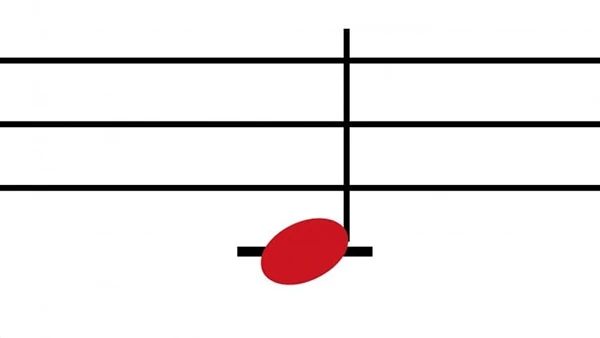
Most piano students struggle with the same frustrating bottleneck: they understand music theory, can play scales, and know their chords—but when sheet music appears, they freeze. Traditional sight-reading methods force you to memorize confusing mnemonics like “Every Good Boy Deserves Favour,” leaving you slow, uncertain, and translating note names instead of simply playing.
What if you could see a note on the page and instantly play it on the keyboard—without reciting phrases or second-guessing which octave? This streamlined approach replaces outdated memorization techniques with a visual, intuitive system that works the way your brain naturally processes music.
About Read Music FAST!
Instructor Benedict Westenra brings a decade of hands-on teaching experience refined across hundreds of private students. As a freelance teacher whose livelihood depends on effective methods that deliver results, Benedict developed this unique sight-reading system after recognizing the universal failures of traditional approaches.
The course uses high-definition overhead piano videos, color-coded graphics, and intelligent interactive tests that adapt to your progress—focusing extra practice on notes you find challenging.
What You’ll Learn
Understanding Sight Reading Fundamentals
Discover how sight reading actually works and why traditional mnemonics create more problems than they solve. Learn the foundational principles that make note recognition visual and immediate rather than language-based and slow.
Mastering Note Names
If you’re a complete beginner, start with the best method for learning note names on the keyboard: D, F, B, C, E, G, A, plus sharps and flats. This mini-course ensures you have the foundation before tackling sheet music.
The Nine Reference Notes System
Learn nine strategically chosen “reference notes” that unlock the entire keyboard. Understand where treble and bass clef symbols originated and how their shapes help you instantly recognize notes. This visual approach covers both clefs, Middle C, and the full range pianists actually use—not just the limited notes traditional methods teach.
Reading All Notes Quickly
Distinguish reference notes from non-reference notes instantly. Progress from white notes to black notes, expanding your range to 32 white notes (versus just 18 with traditional methods) plus all 24 black notes—a total coverage increase of 211%.
You may also be interested in these courses:
- Music Theory Comprehensive Complete! (Parts 1, 2, & 3) Download
- Music + Audio Production in Logic Pro X – The Complete Guide (Download)
Interactive Testing
After each lesson, intelligent tests track which notes challenge you most and adjust practice accordingly. This ensures weak spots receive extra attention while you build speed and confidence across the entire keyboard.
Who Should Take This Course
This course serves complete beginners wanting to understand sight reading from the ground up, as well as intermediate students who already play piano but hesitate over certain notes, particularly in bass clef. If you’ve been “badly taught” sight reading and feel you’re “bad at it,” this method reframes your understanding entirely.
The course focuses specifically on piano and keyboard players—it’s designed around the piano keyboard layout and tested on piano students. While it may help musicians learning other instruments, optimal results come from its piano-specific approach.
Why This Method Works Better
Traditional mnemonics require memorizing four separate phrases with no logical pattern, force slow mental translation from note to name to key, fail to specify which octave to play, and leave common notes like Middle C unexplained. Benedict’s visual system eliminates these problems.
Instead of language-based memorization, you’ll develop direct visual recognition—seeing a note and playing it without conscious translation. The method is faster, more comprehensive, requires less memorization, and teaches you to recognize specific keys rather than just note names.
Students consistently report breakthrough moments: “I just learned in 2.5 hours what I have been shying away from for 15 years.” The course doesn’t teach rhythm, key signatures, or complete sight-reading—it does one thing exceptionally well: teaches you to read individual notes instantly.
This focused approach creates the foundation every piano course requires. Whether you’re following online tutorials, working from books, or studying with a private teacher, rapid note recognition accelerates everything else you learn.
Within hours, you’ll transform how you see sheet music—no longer translating through mnemonics, but simply reading and playing with the visual fluency music deserves.