
Er. Prasanthkumar Palani – Electric Vehicle Technology – A Beginner’s Course (Download)
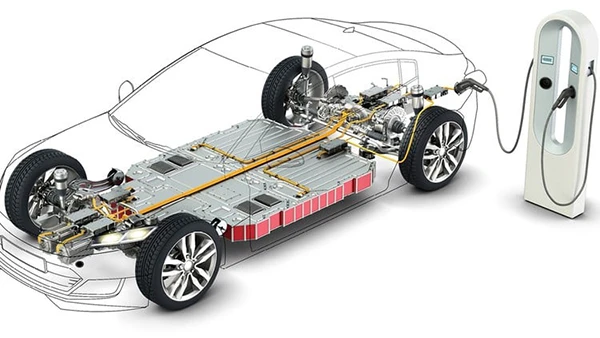
The automotive industry is experiencing its most significant transformation in over a century. As governments worldwide push for carbon neutrality and major manufacturers commit to electrification, electric vehicle technology has become essential knowledge for engineers, technicians, and automotive professionals. Whether you’re transitioning from internal combustion expertise, starting your career in automotive engineering, or simply passionate about sustainable transportation, understanding EV systems is no longer optional—it’s the foundation of the automotive future.
About the Course and Instructor
Electric Vehicle Technology – A Beginner’s Course is taught by Er. Prasanthkumar Palani, an experienced engineering professional specializing in electric and hybrid vehicle systems. This practical program demystifies complex EV technology, breaking down high-voltage components, powertrain architecture, and testing procedures into accessible, beginner-friendly modules. The course emphasizes real-world applications and includes detailed case studies, such as the Nissan Leaf, to illustrate theoretical concepts in action.
What You’ll Learn
This comprehensive course equips you with core competencies in electric vehicle engineering. You’ll master the selection criteria for EV motors—including BLDC, PMSM, induction, and switched reluctance motors—and understand motor control technology specific to electric vehicle applications.
The program covers lithium-ion battery technology and battery pack design for electric and hybrid vehicles, teaching you battery management system fundamentals and thermal management strategies. You’ll learn powertrain sizing calculation procedures through practice problems, explore charging system design from AC to DC fast charging, and understand vehicle-to-charger communication protocols.
The course addresses critical safety considerations, testing methodologies, and regulatory standards governing electric and hybrid vehicles at both system and component levels. You’ll gain practical insights into electromagnetic compatibility testing and battery certification requirements.
Course Content
EV Architecture Fundamentals
The journey begins with a comparative analysis of internal combustion engines versus electric motors, including cradle-to-grave lifecycle studies. You’ll explore complete EV component architecture, key functions of high-voltage systems, and hybrid powertrain configurations that bridge conventional and electric technologies.
Electric Motors and Inverter Systems
Deep dive into motor selection methodology, examining PMSM and BLDC motors alongside induction and switched reluctance alternatives. Learn thermal management techniques for EV motors, sensing requirements, and four-quadrant motor control operations. The section covers motor controller and inverter layouts, plus integrated traction drive unit assemblies used in modern EVs.
Battery Technology and Management
Understand how lithium-ion batteries function and learn systematic battery selection methodology for different EV applications. Master battery sizing calculations, thermal management system design, and mechanical packaging requirements for safety and protection. Explore battery management systems (BMS) that monitor state of charge, state of health, and ensure optimal performance throughout the battery lifecycle.
You may also be interested in these courses:
- IELTS Band 7+ Complete Prep Course (Download)
- Minoo Short – Master The English Verb Tenses (Download)
Charging Infrastructure
Examine charging system design considerations, comparing AC and DC charging technologies. Study onboard charger architecture through detailed teardowns and understand communication protocols that enable seamless vehicle-to-charger interaction for efficient power delivery.
Testing and Certification
Learn comprehensive testing procedures for EV components and complete vehicles, including electromagnetic compatibility requirements. Understand battery cell and pack testing standards, regulatory compliance frameworks, and international safety regulations that govern electric vehicle deployment.
Practical Application
Apply theoretical knowledge through powertrain sizing practice problems that simulate real engineering challenges, reinforcing calculation procedures with hands-on problem-solving.
Electric Vehicle Technology – A Beginner’s Course provides the technical foundation needed to understand, design, and work with electric vehicle systems in today’s rapidly evolving automotive landscape.